Top 10 Ideas for an Accessible Bathroom Remodel
Table of Contents
Designing an accessible bathroom isn’t just about following rules; it’s about making sure the space feels safe, comfortable, and easy to use for everyone, no matter the age or ability. The correct design can significantly improve daily life, whether you’re remodeling your bathroom for an elderly family member, someone with mobility challenges, or simply planning for the future.
This blog will discuss 10 practical renovation ideas that combine modern styles with practical functionality. You’ll find easy and useful methods to design a bathroom that functions better for everyone at home, from creative fittings to space-saving layouts.
Start With Smart Bathroom Designs That Prioritize Space
The first important consideration when designing an accessible bathroom is space. It is essential for individuals using wheelchairs, walkers, or other mobility aids to navigate comfortably.
For a wheelchair to turn easily, try to leave at least 60 inches of room. Remove any obstructions, such as large cabinets or obstacles. To avoid feeling crowded, keep the arrangement open to allow easy access to the shower, sink, and toilet.
Minor changes can also lead to a considerable effect. For instance, replacing swing doors with pocket or sliding doors can free up space and facilitate mobility.
Here are some signs to watch out for:
Install Sturdy Grab Bars for Safety
One of the most common accessible bathroom ideas is installing grab bars in strategic locations is one of the best ways to make a restroom more accessible. If you’re keeping a bathtub, place it next to it, inside the shower, and close to the toilet.
Select grab bars that complement your bathroom’s design. Contemporary designs are available in brushed nickel, chrome, and matte black finishes. They function well in addition to being attractive.
Ensure that the bars are securely fastened to the wall studs. In this manner, they can support a person’s weight and continue to be safe for extended use.
Use Lever-Style Faucets and Door Handles
During bathroom remodeling, pay attention to the minor details such as faucets and handles. These might not seem like much, but they have a significant impact, particularly for people with arthritis or those who have gripping difficulties.
Opt for lever-style door handles and faucets rather than the more conventional spherical ones. With just a push or pull, they are significantly simpler to use. You can even install touchless faucets, which are cleaner, more user-friendly, and feel more contemporary.
Additionally, consider replacing small cabinet knobs with D-shaped handles. They are easy to grab and improve the usability of your area without detracting from the aesthetics of your bathroom.
Improve Lighting and Visibility
Any bathroom benefits greatly from proper lighting, but an accessible bathroom is even more crucial. Make sure there is adequate lighting throughout the room, particularly in the vicinity of important fixtures like the toilet, shower, and mirror.
It’s also a good idea to add nightlights with motion sensors. There’s no need to look for a switch in the dark because they turn on automatically. Choose soft, moderate lighting to avoid glaring brightness. Additionally, using tiles or fixtures of various color combinations makes edges and things easier to see.
Choose an Accessible Vanity or Sink
Regular vanities might be challenging for those who use wheelchairs. Therefore, it’s crucial to pick a sink that has room beneath so kids can easily roll it up and utilize it.
For this, sinks that are mounted on the wall or floating vanities are ideal. Just make sure that the pipes beneath the sink are covered or insulated to prevent burns or scrapes. Additionally, to make it easier for those seated to see themselves, lower or slightly tilt the mirror.
Upgrade the Flooring for Safety
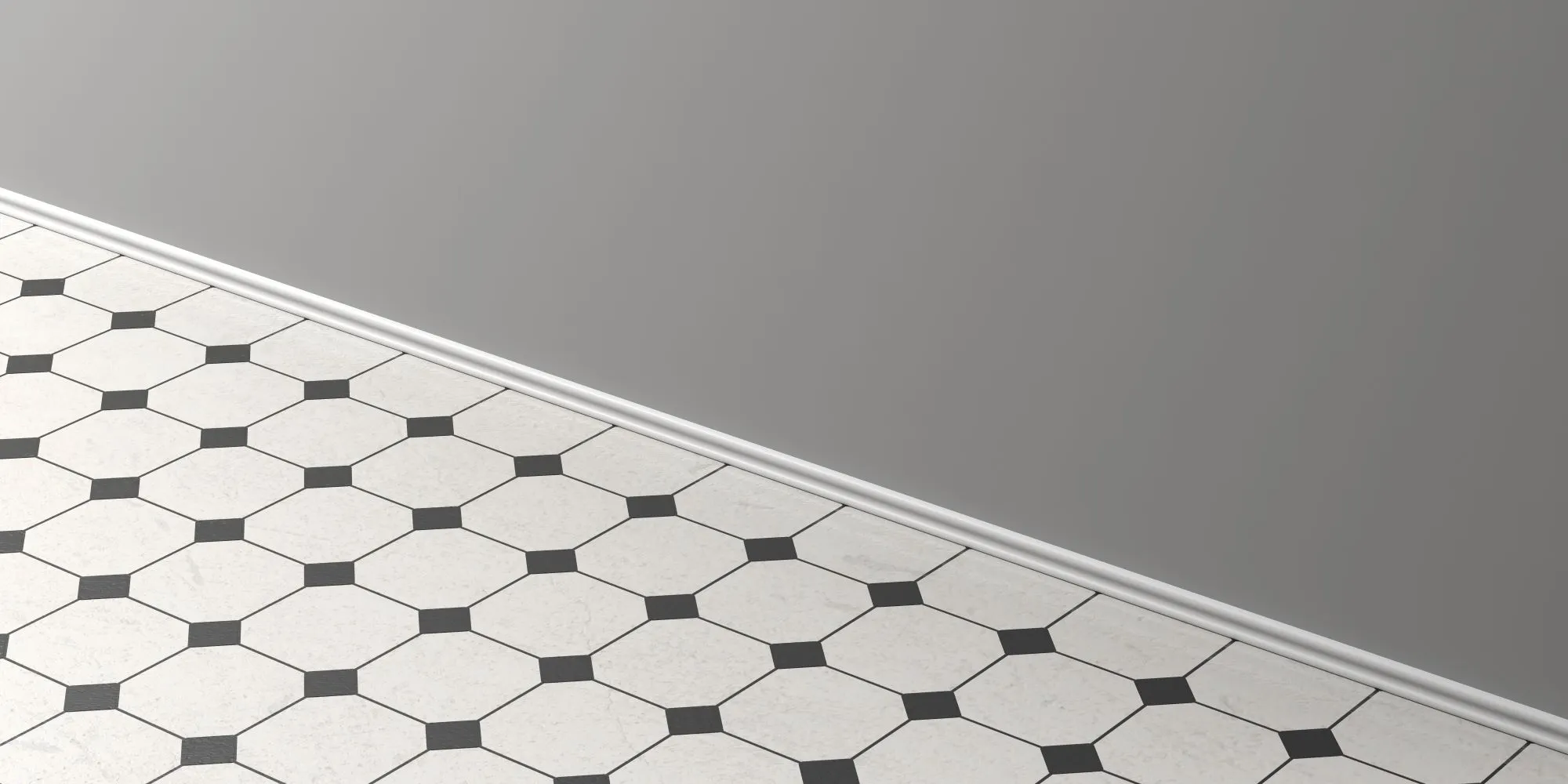
Although flooring may not seem important, it is crucial in an accessible bathroom. Wet flooring can become extremely slick and lead to dangerous falls. For this reason, choosing flooring that reduces the risk of slips is crucial. Choose safe options like rubber, vinyl, or textured porcelain tiles; these improve your grip even in rainy conditions.
Avoid using rugs, especially ones that slip or bunch up. However, if you choose to use bath mats, make sure they are constantly flat on the floor and have a non-slip back.
Although it shouldn’t be overly shiny or slick, the floor should feel smooth underfoot. Additionally, maintain the bathroom’s floor level so that nobody trips over any uneven areas.
Plan for Future Needs With Flexible Designs
Even if you don’t have any mobility issues right now, it’s a smart idea to plan ahead. When you’re designing your bathroom, include features that you can easily adjust or upgrade later.
For example:
- Add extra support behind the walls so you can install grab bars later if needed.
- Pick a shower that comes with a bench you can take out.
- Go for a handheld showerhead that you can move up or down.
- Leave some space under the sink in case you want to switch to a roll-under design in the future.
Work With Experts in Bathroom Remodeling
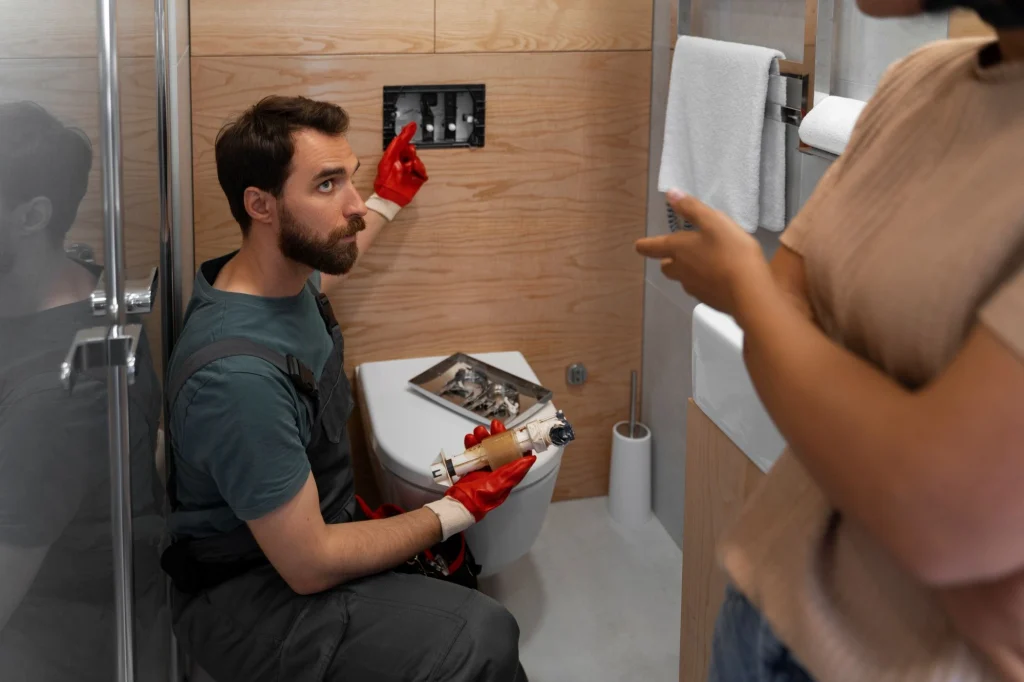
It’s important to work with a designer or contractor who understands how to make bathrooms more accessible if you’re planning a large bathroom renovation. They can assist you with maximizing your available space, developing innovative concepts that meet your demands, and adhering to crucial accessibility regulations (such as ADA standards).
Before any work is done, you may see how your new bathroom will look thanks to certain experts who even make 3D plans. The peace of mind and beautiful workmanship make the somewhat higher cost well worth it.
Final Thoughts
Making your bathroom more accessible doesn’t have to mean sacrificing comfort or design. You can create a bathroom that works for everyone in the house, looks fantastic, and feels safe with a little careful planning.
Every upgrade makes your bathroom safer and easier to use, whether you’re going for major modifications like a walk-in shower or more space, or something smaller like grab bars and brighter lighting.
You may renovate your bathroom with a purpose by using these accessible bathroom ideas, which will make the area more independent, comfortable, and easy for people of all ages and abilities to move around. The greatest bathrooms ultimately simplify daily life in addition to being aesthetically pleasing.
We Treat Your Home Like Our Own
As soon as we walk into your home, we treat it with the same care and respect we give our own. BathsKitchen takes pride in everything we do, whether it’s placing a tile, installing a cabinet, or choosing a design. We’re not just here to fix up kitchens and bathrooms; we’re here to build spaces that work for you, feel good to live in, and add value to your home.
Big job or small, we stay neat, thoughtful, and focused on making sure you’re happy from start to finish.
Frequently Asked Questions
Yes! Accessible bathrooms can be both safe and beautifully designed with modern fixtures and finishes.
A clear turning space of about 5 feet (60 inches) is recommended for wheelchair accessibility.
Not always. Small updates like grab bars, slip-resistant flooring, and better lighting can make a big difference.